
Snow chains are another add-on worth considering when renting a car at Geneva Airport for winter driving. Also called ski chains, they’re available from several suppliers at Geneva Airport and can usually be reserved as an add-on during booking.
Expect to pay somewhere in the region of £30 to £50 per rental, though this varies by supplier and vehicle, so confirm the exact cost at booking rather than assuming a fixed rate across all companies.
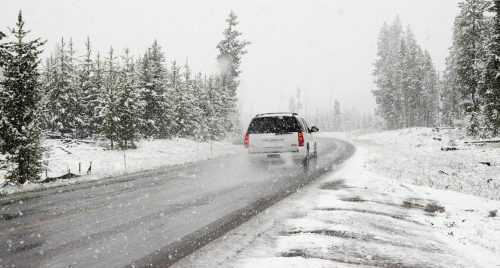
Snow chains are available as an optional extra for both Geneva Airport car rental French side and Geneva Airport car rental Swiss side bookings. Book well ahead to secure availability, particularly during peak ski weeks.
Choosing a Snow-Ready Car
A few things are worth checking before you book:
| Factor | What to check |
|---|---|
| Tyre type | Confirm winter tyres are actually fitted rather than assuming it from the vehicle category. |
| Snow chains | Some rentals include them, most don’t by default; add them at booking rather than expecting them on arrival. |
| Vehicle size | Balance passenger and luggage needs against how the car handles on snow and ice. |
| Fuel type | Diesel offers useful low-end torque for snowy inclines, but starts less easily in extreme cold than petrol; in Switzerland this is largely mitigated by winter-blended diesel fuel sold in the cold months. |
| Availability | Snow-ready vehicles are in higher demand during peak winter weeks and sell out first. |
It’s also worth checking whether the car has anti-lock brakes and electronic stability control, standard on most modern rentals, and whether a basic emergency kit is included.
Winter Tyres vs Snow Chains
Winter tyres use a softer rubber compound and a tread pattern designed to stay flexible and grip in low temperatures, giving genuinely better stopping distances and handling than standard tyres once the temperature drops. They’re the right default for most winter driving around Geneva and the surrounding Alps.
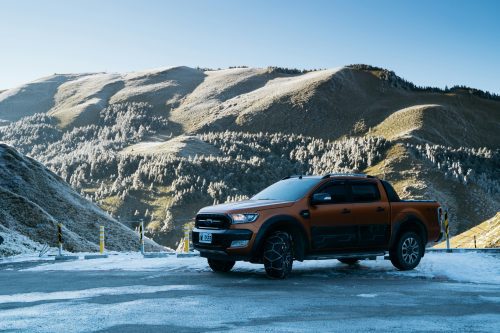
Snow chains go a step further, for deep snow or genuinely icy conditions rather than everyday winter driving. They’re compulsory only on roads marked with the relevant sign, typically on alpine pass approaches, and should be fitted before you reach that section, not once you’re already struggling.
Don’t drive on chains on clear, dry road, since this damages both the road surface and the chains themselves. For most standard winter trips, properly fitted winter tyres are enough on their own.
Making Sure You Actually Get Them
- State it explicitly at booking. Winter tyres or snow chains aren’t automatic on every category, so specify what you need rather than assuming it’s covered.
- Check the supplier’s specific terms. Some suppliers include winter tyres as standard on certain categories; others charge separately. This varies enough that it’s worth confirming per booking rather than assuming.
- Confirm by phone if it matters to your trip. A quick call before you fly is worth it if winter equipment is essential to your route.
- Check the tyres yourself at pickup. Look for the snowflake symbol on the sidewall, the mark of a genuine winter-rated tyre, rather than taking the desk’s word for it.
Before You Confirm
- Insurance: confirm your policy covers winter conditions and doesn’t exclude weather-related incidents.
- Documentation: if snow chains are part of your booking, make sure this is written on the contract itself.
- Fuel policy: confirm whether the car needs returning full, and to what standard.
- Pickup and drop-off access: check that your collection point is genuinely accessible in winter conditions if you’re arriving or returning late in the day.
- Included extras: ask whether an ice scraper or snow shovel comes with the car.
Driving Safely in Snow
Always check the forecast and road status before setting off, since conditions in the mountains around Geneva can change faster than in the city itself.
| Tip | Why |
|---|---|
| Reduce speed below the limit | Stopping distances increase significantly on snow and ice. |
| Leave a bigger gap | Aim for a 3 to 5 second following distance rather than the usual 2. |
| Be gentle on the wheel and brakes | Sudden inputs are what cause a skid, not the snow itself. |
| Use low beams | High beams reflect off falling snow and reduce visibility. |
| If you start to slide | Ease off the accelerator and steer gently in the direction you want to go, rather than braking hard. |
A Basic Winter Emergency Kit
Worth having in the car regardless of what the rental includes: a warm blanket, a torch with working batteries, a basic first aid kit, non-perishable snacks and water, an ice scraper, a small shovel, jump leads, a warning triangle, and something to improve traction if you get stuck, such as a traction mat or even a bag of sand or grit.
Keep your phone charged, check road reports before setting off, and let someone know your planned route, particularly for longer drives into the mountains.